
The Calapooia River:
A Lifeline for Native Steelhead
The Calapooia River, an 81-mile tributary of the Willamette River, carves its path from its headwaters in the Cascade Range to its confluence with the Willamette mainstem in Albany.
What truly sets this river apart is its native steelhead population.
Unlike many other waterways, the Calapooia’s steelhead have never been supplemented or augmented with hatchery stock, making them a naturally thriving population.
Strategic Habitat Restoration
We focus our habitat restoration efforts on the highest priority stream reaches and sub-basins within the Calapooia River watershed.
To achieve this, we conduct comprehensive assessments to identify and prioritize the most effective restoration and conservation strategies.
We also actively partner with community and agency stakeholders to maximize habitat restoration opportunities.
ENVIRONMENTAL YOUTH EDUCATION
We believe that fostering watershed education in tomorrow’s leaders cultivates a community deeply invested in the value and stewardship of our natural resources.
We collaborate with local schools and youth organizations, delivering immersive watershed education programs tailored for both elementary and high school students.
These programs aim to build a lasting connection between young people and the health of the Calapooia River.
About us
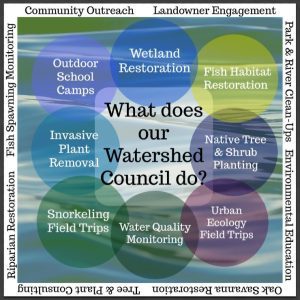
The Calapooia Watershed Council (CWC) is a 501(c)(3) nonprofit organization dedicated to improving the ecological health of the Calapooia River watershed. We achieve this through habitat restoration and environmental science education, focusing on enhancing river conditions for ESA-listed salmonids and other native species.
Our Habitat Restoration Approach
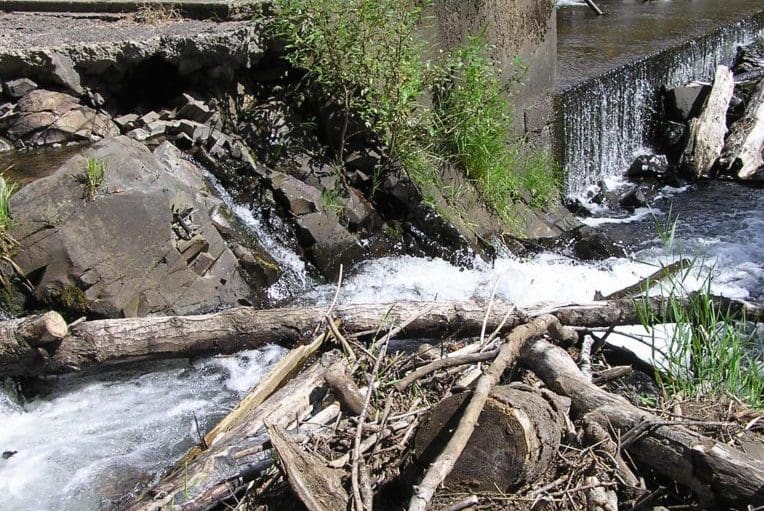
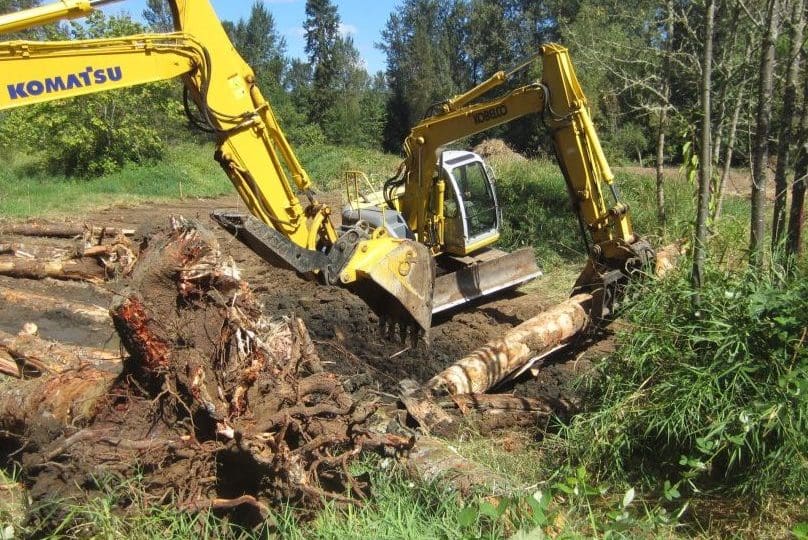
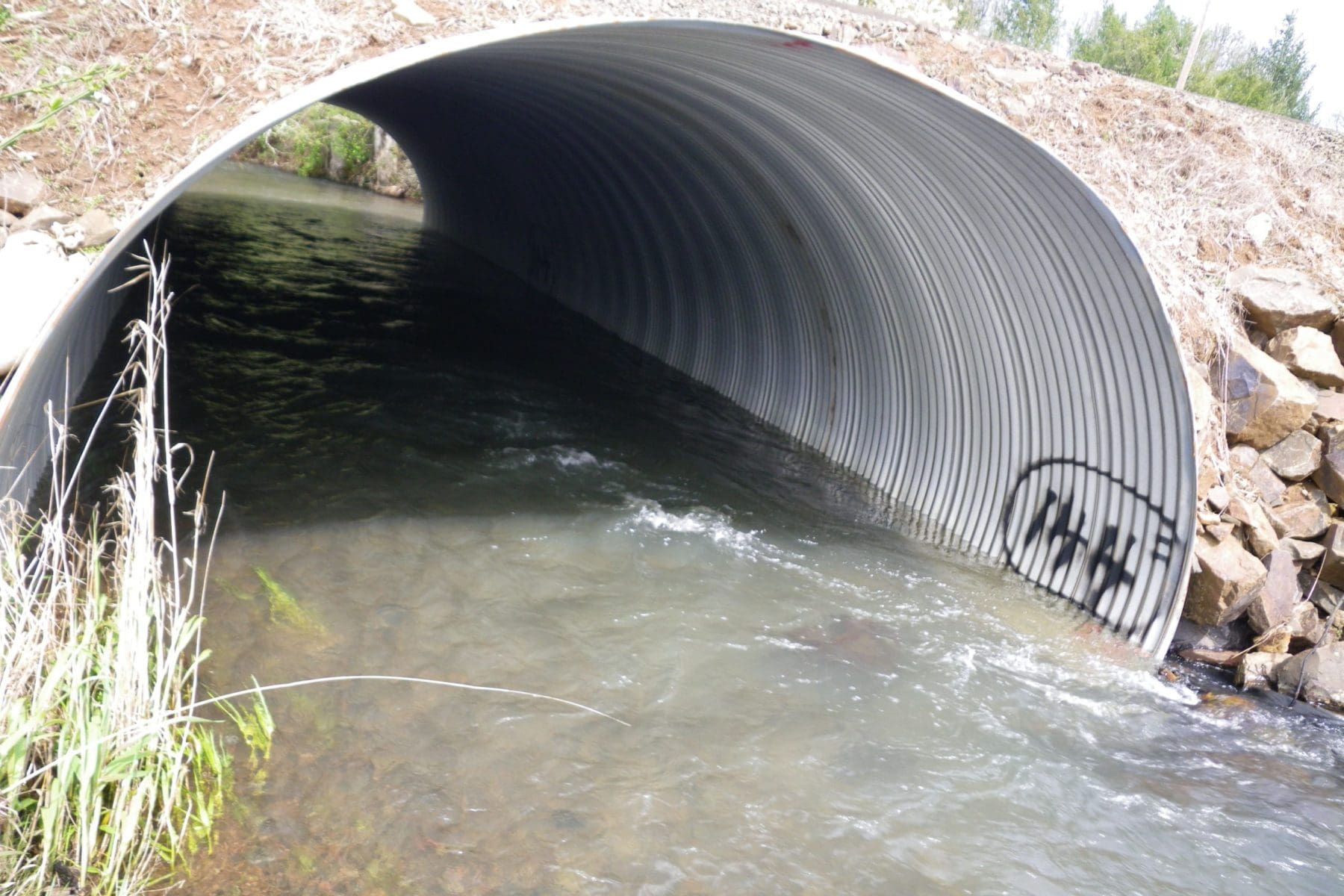
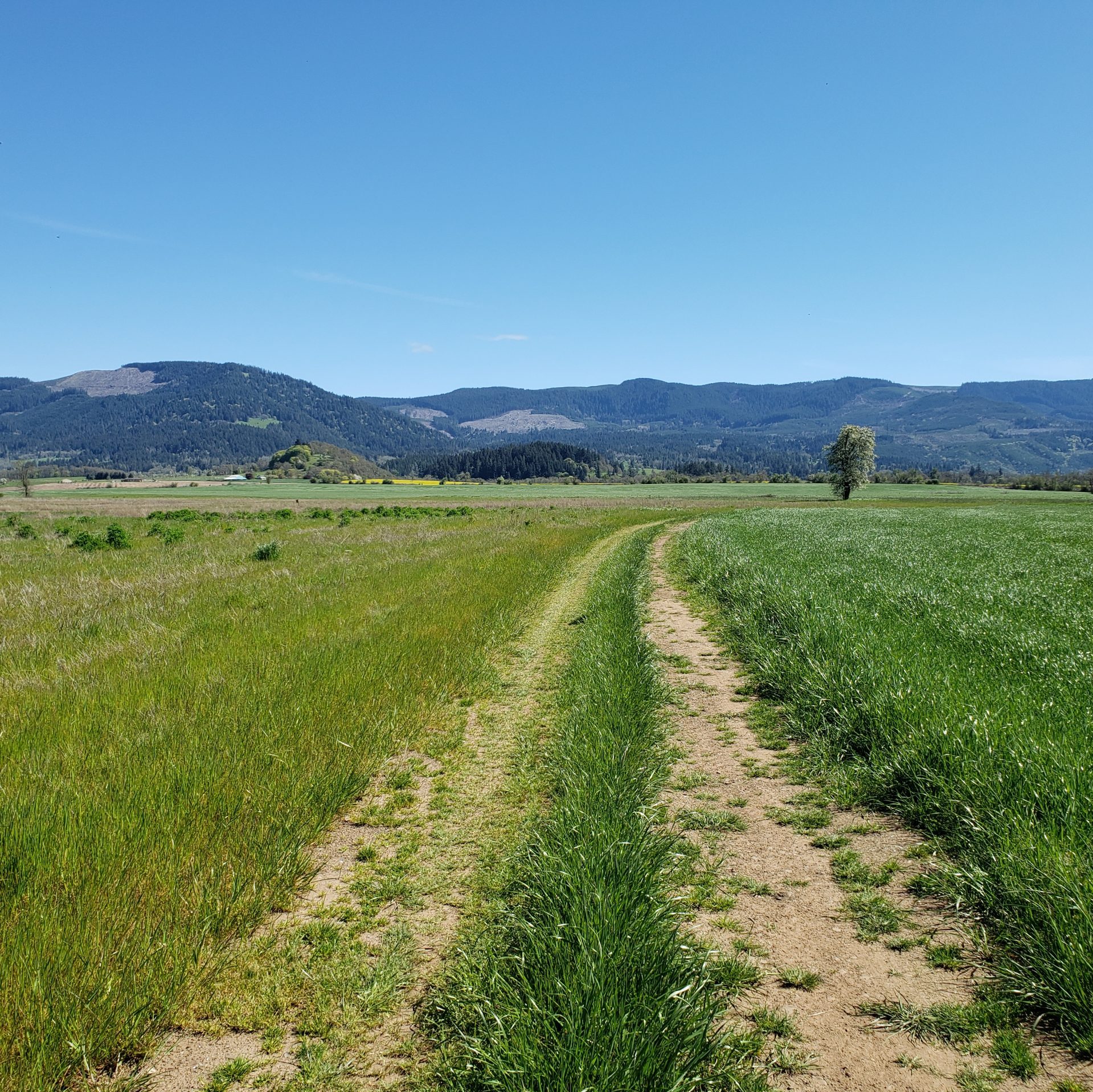

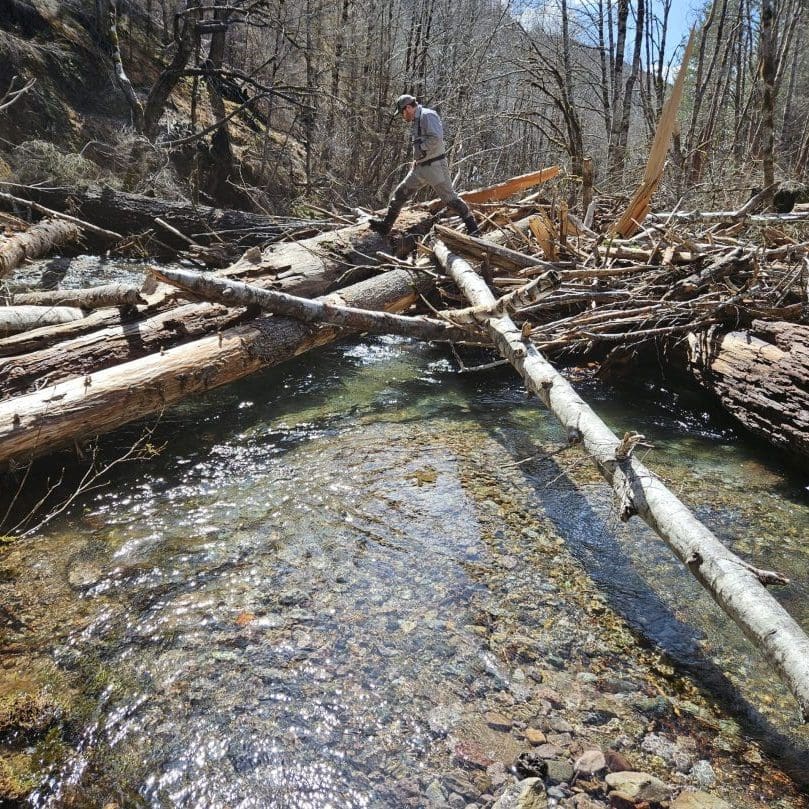
Our comprehensive habitat restoration efforts include:
- Riparian restoration
- Fish passage improvement
- In-stream habitat restoration
- Oak savanna restoration
- Wetland and wetland prairie restoration
- Invasive species removal
We implement these projects using a holistic watershed planning approach. This begins with comprehensive watershed assessments that identify and prioritize specific restoration and conservation strategies.
These assessments are guided by scientific methods and incorporate input from various agencies regarding fisheries, wildlife, and water resources.
We also utilize GIS data layers from state and federal governments, Linn County, and our own in-house mapping with ArcMap.
This robust data allows us to produce project site prioritization maps, pinpointing target areas and tax lots for strategic landowner partnerships.
Inspiring the Next Generation: Our Youth Watershed Education Programs

Freshwater Snorkeling:
In collaboration with area middle and high schools, and community groups, we offer no-cost Freshwater Snorkeling sessions from late spring through early fall. Students are transported to sites on the Calapooia or South Santiam Rivers and provided with all the necessary equipment to explore the underwater world. These sessions introduce students to the powerful concept of “we all live upriver,” aiming to foster a sense of ownership and responsibility for sustaining watershed health.

Urban Ecology Program
This program facilitates field trips to urban, suburban, and rural conservation sites. Students actively participate in stewardship actions, data collection, and watershed management dynamics exercises. This helps them gain a deeper understanding of how human development impacts our natural resources.

salmon watch
Students from Linn and Benton Counties can also participate in our free fall field trips known as Salmon Watch. These engaging trips provide elementary and middle school students with hands-on learning stations covering vital topics like macroinvertebrates, riparian zones, water quality, and the fascinating salmon life cycle.
In 1997, state leaders established the Oregon Plan for Salmon and Watersheds to restore salmon and watershed health.
Oregon’s Plan for Salmon & Watersheds
“Restoring our native fish populations and the aquatic systems that support them to productive and sustainable levels that will provide substantial environmental, cultural, and economic benefits.”