

Our Work
Council History
The Calapooia River

Our Work: Working for the Health of the Watershed
Habitat Restoration
Lorem ipsum dolor sit amet, at mei dolore tritani repudiandae. In his nemore temporibus consequuntur, vim ad prima vivendum.
Education & Outreach
Lorem ipsum dolor sit amet, at mei dolore tritani repudiandae. In his nemore temporibus consequuntur, vim ad prima vivendum.
our mission
Lorem ipsum dolor sit amet, at mei dolore tritani repudiandae. In his nemore temporibus consequuntur, vim ad prima vivendum.
Council History
Community inspired since 1999
The Calapooia Watershed Council was formed in February 1999, stemming from community discussions about the economic, fish and wildlife, and recreational uses of the Calapooia River. This grassroots initiative aimed to foster a deeper understanding of the watershed and its various uses.
The Council’s mission is to promote and sustain the health of both the Calapooia Watershed and its surrounding communities. On November 17, 2008, the Calapooia Watershed Council officially incorporated in Oregon as a public benefit nonprofit corporation.
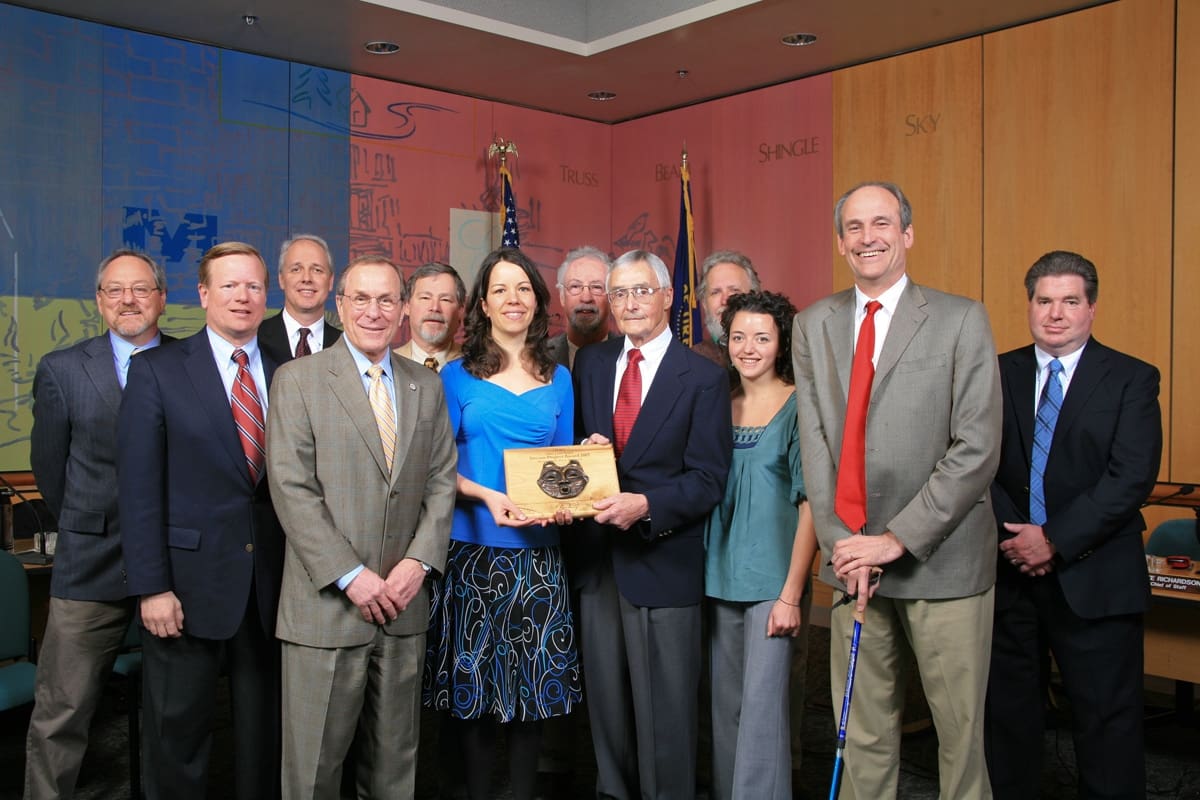

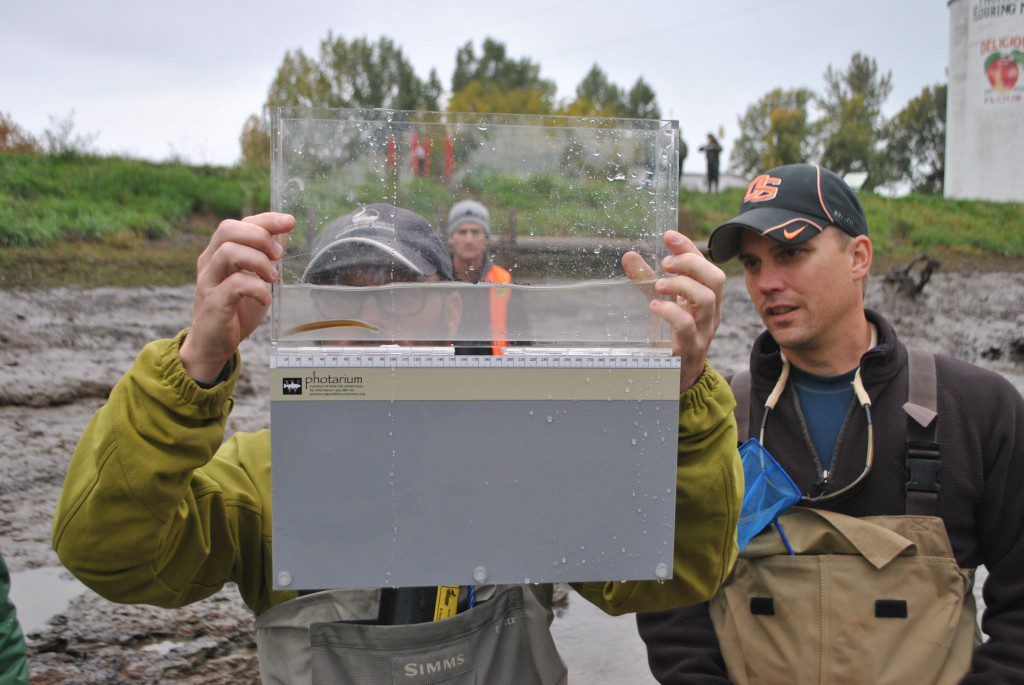

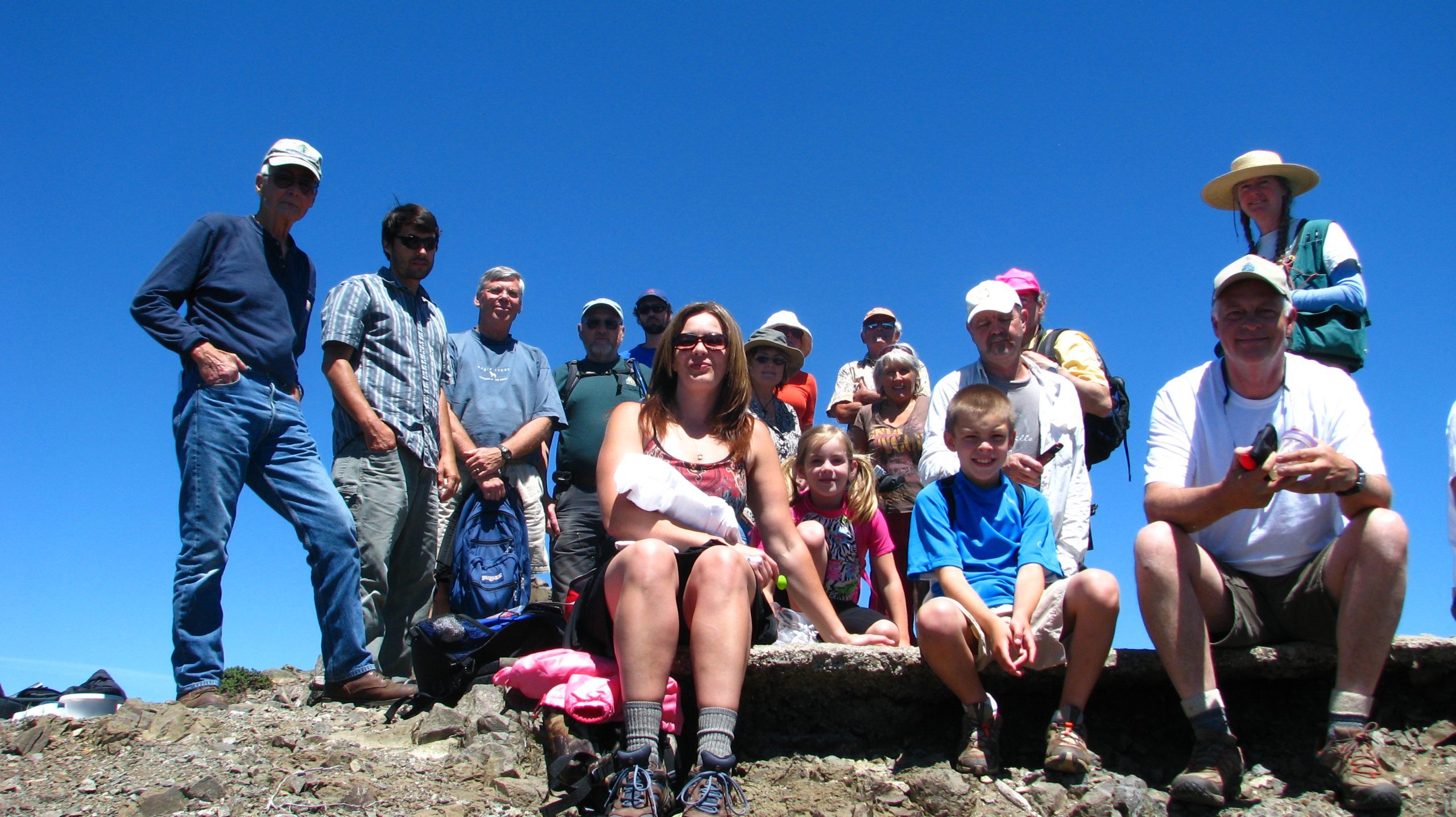
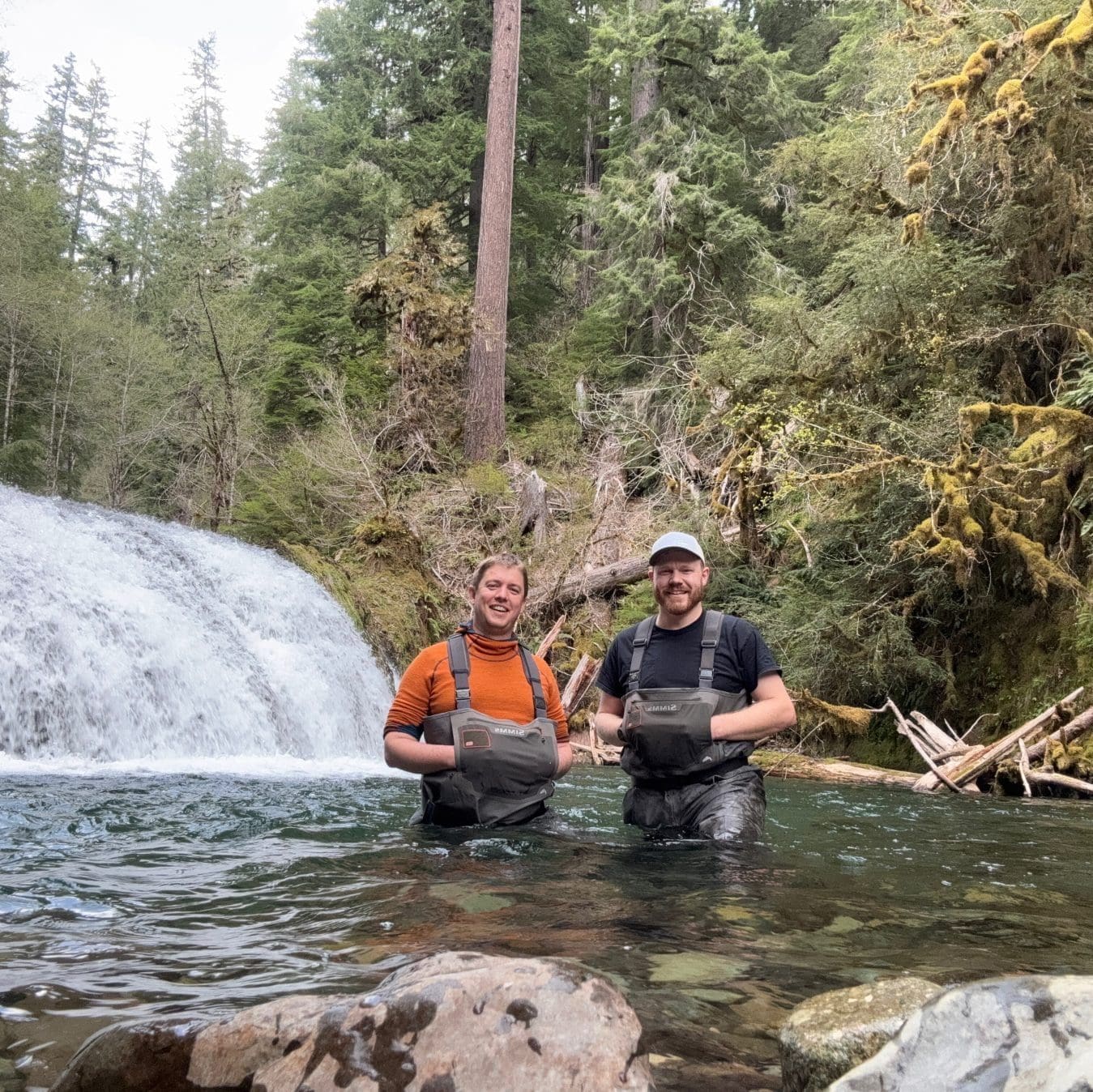
The formation of the Calapooia Watershed Council, like many others across Oregon, was a direct response to Governor Kitzhaber’s “Oregon Plan.” This comprehensive statewide effort, formally known as the Oregon Plan for Salmon and Watersheds, was initiated in 1997.
The Oregon Plan, which included the Governor’s Coastal Salmon Restoration Initiative and was supported by legislation like House Bill 3441 (from the 1995 Regular Session of the Oregon Legislative Assembly), aimed to address critical environmental issues in the state. Its primary goals were to:
Restore threatened & endangered Pacific Northwest salmon populations:
Salmon are culturally, economically, and environmentally significant to Oregon, and their declining numbers spurred a concerted effort for their recovery.

Improve water quality:
Many of Oregon’s waterways did not meet federal clean water standards.

Strengthen ecosystems:
The plan recognized the vital link between healthy watersheds and sustainable communities.
A key component of the Oregon Plan was the emphasis on voluntary, local action and the establishment of watershed councils. These councils, like the Calapooia Watershed Council, were designed to bring together local residents, landowners, businesses, and government agencies to collaboratively assess watershed conditions, develop action plans, and implement restoration projects. This approach allowed for solutions tailored to the specific needs and characteristics of each watershed, fostering a sense of local ownership and commitment to environmental stewardship.
Participation in Calapooia Watershed Council is open to the public and a balanced representation is sought for the Watershed Council of all stakeholder groups.


The Calapooia River
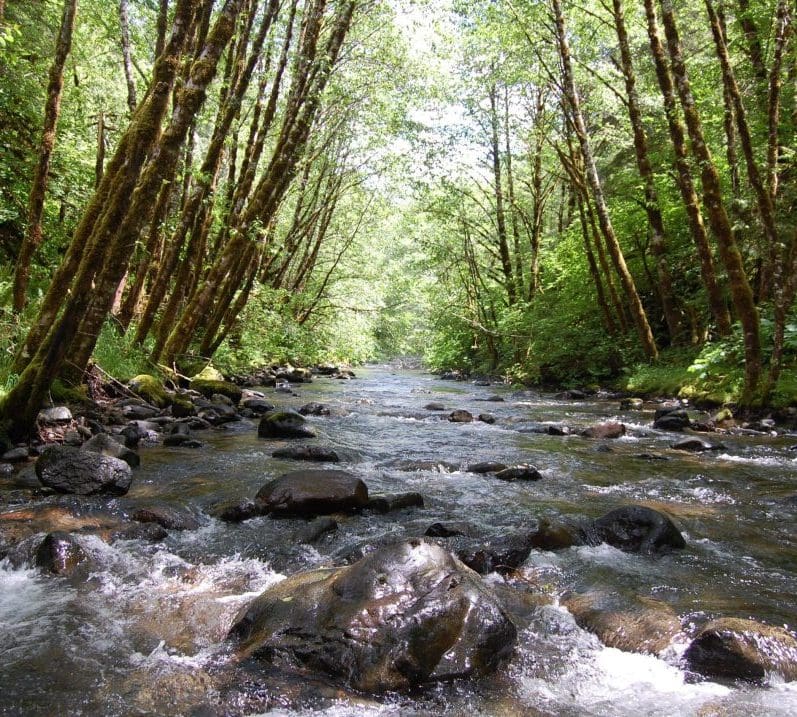
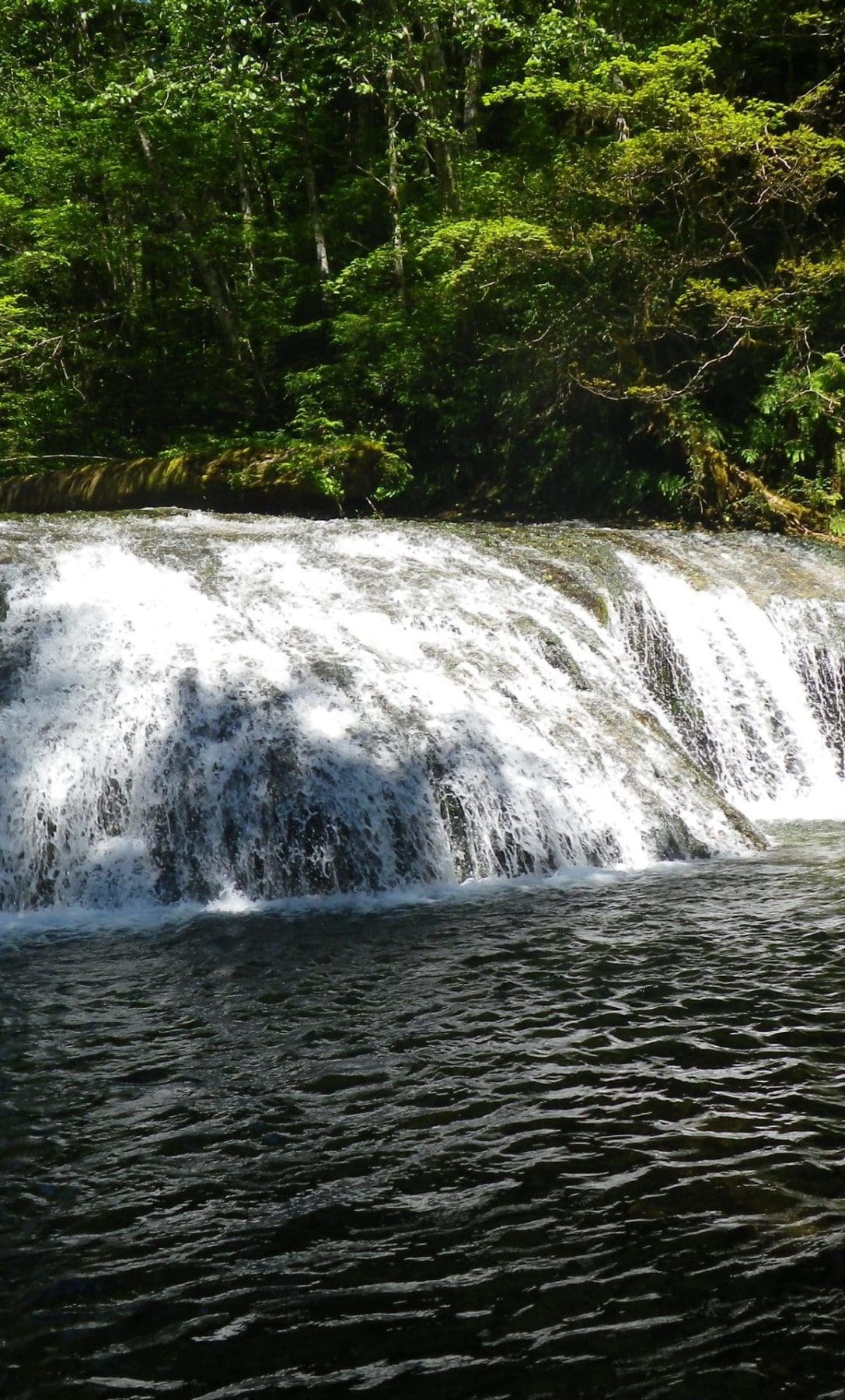
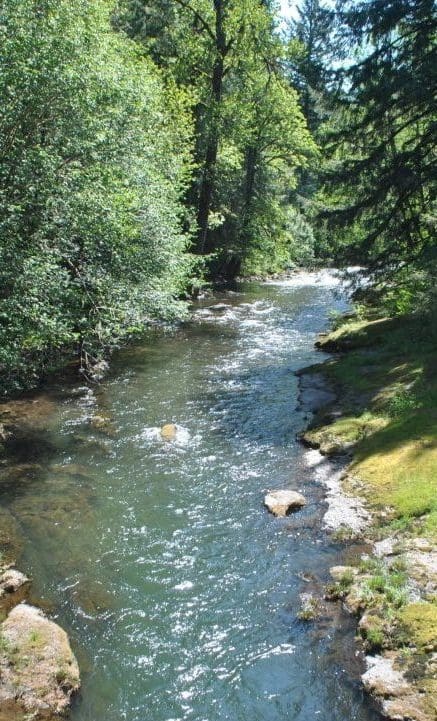
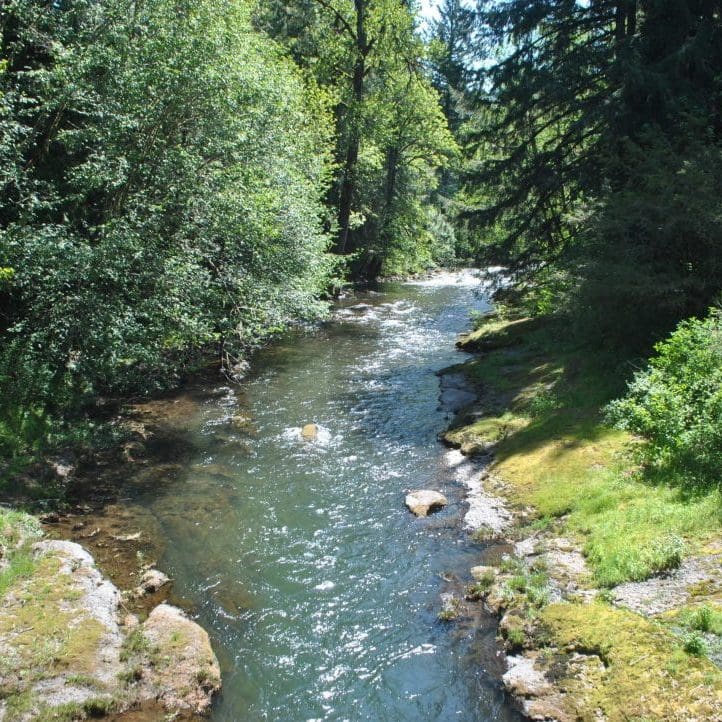
The Calapooia River is an 81-mile tributary of the Willamette River in Linn County, Oregon.
The Calapooia River is home to two species listed as “threatened” under the federal Endangered Species Act: winter steelhead and spring Chinook. The Calapooia watershed steelhead represent the uppermost distribution of steelhead in the Willamette system.
The steelhead population in the Calapooia is native and has never been supplemented or augmented with hatchery stock.
The Calapooia River still contains some of the best riparian forests remaining in the valley.
The best riparian zones along the river are found just east of Interstate 5, near Tangent. Backwater sloughs and native stands of Sitka & Pacific willow are also found throughout the basin. Courtney Creek sub-basin contains mudflats that are the largest vernal pool communities remaining in the Valley. Many shorebirds also use the saturated soils, ponds, and low vegetation cover for winter habitat.
Calapooia River History
“The Kalapuyans originally occupied over a million acres in the Willamette and the Umpqua valleys. They have lived here for over 14,000 years and have endured enormous changes to their traditional life-ways during the past 200 years.”
Dr. David G. Lewis, Anthropologist and Tribal member of The Confederated Tribes of Grande Ronde
There are more than fifty different ways of spelling Kalapuya, including Calapooia and Call-law-puh-yea.
The Calapooia Watershed Council acknowledges that we work on the traditional homeland of the Kalapuya people.
The council is located in Brownsville, Oregon in the traditional territory of the Tsankupi (“Calapooia River”) band of the Kalapuya. After the Kalapuya Treaty (Treaty of Dayton) in 1855, Kalapuya people were forcibly removed to what are now the Grand Ronde and Siletz reservations, and are now members of Confederated Tribes of the Grand Ronde Community of Oregon and the Confederated Tribes of Siletz Indians.
Kalapuya Story Told by Esther Stutzman: Hear the story of the beginnings of the Kalapuya people told by Kalapuya-Coos Elder, Esther Stutzman.
Read: K alapuya: Native Americans of the Willamette Valle y, Oregon by Don Macnaughtan. Edited and Reviewed by Dr. David G. Lewis