
our work
Having used discount toner cartridges for twenty years, there have been a loot of changes in the toner cartridge market. The market today is.
council history
Having used discount toner cartridges for twenty years, there have been a loot of changes in the toner cartridge market. The market today is.
The Calapooia River
Having used discount toner cartridges for twenty years, there have been a loot of changes in the toner cartridge market. The market today is.

Our Work: working for the Health of the Watershed
Habitat Restoration
Lorem ipsum dolor sit amet, at mei dolore tritani repudiandae. In his nemore temporibus consequuntur, vim ad prima vivendum.
Education & Outreach
Lorem ipsum dolor sit amet, at mei dolore tritani repudiandae. In his nemore temporibus consequuntur, vim ad prima vivendum.
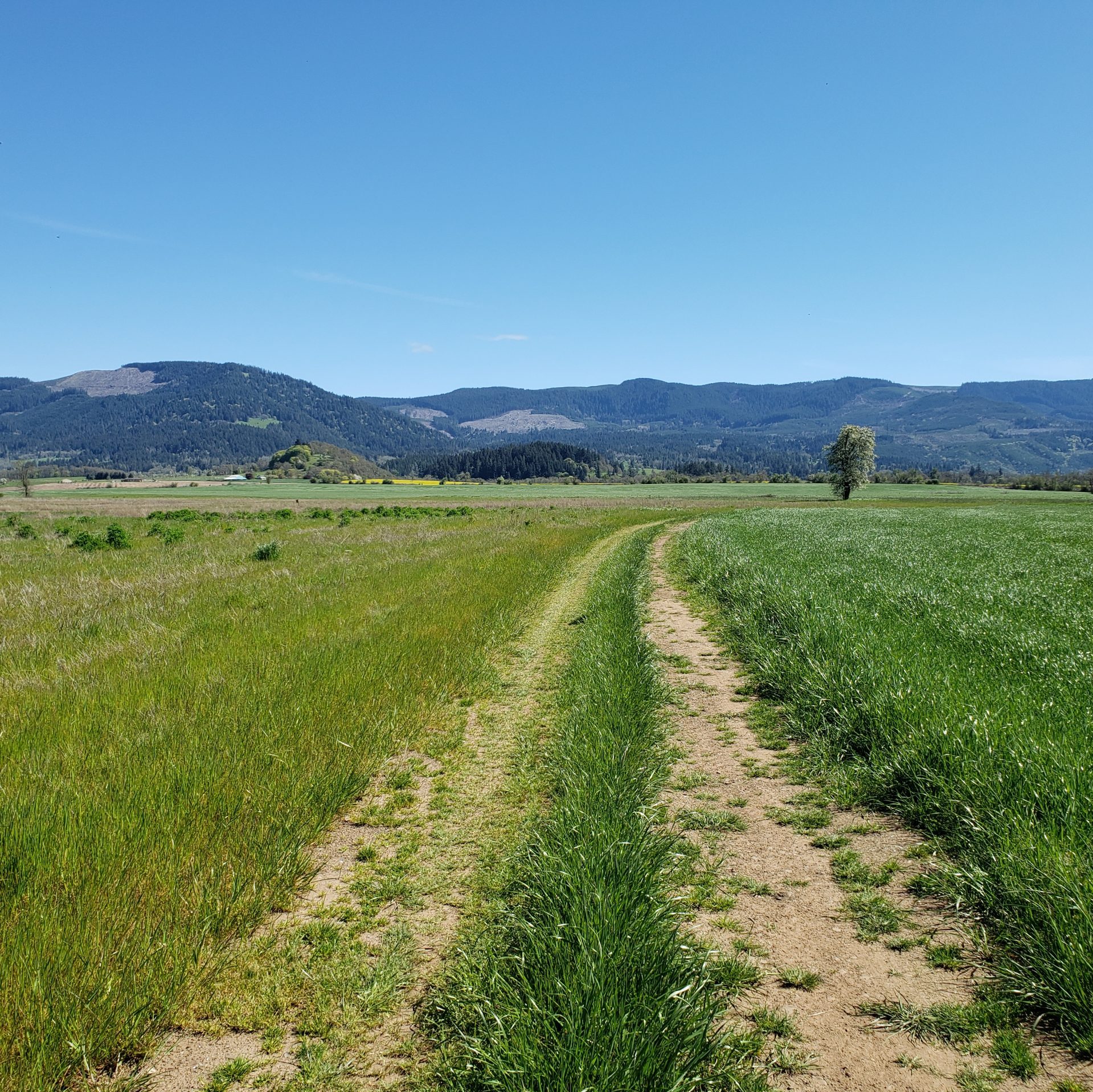

Habitat Restoration Program
The Calapooia Watershed Council (CWC) is a 501(c)(3) nonprofit organization whose focus is habitat restoration, and environmental science education to restore and improve river conditions for ESA-listed salmonids and other native species to the Calapooia River watershed.
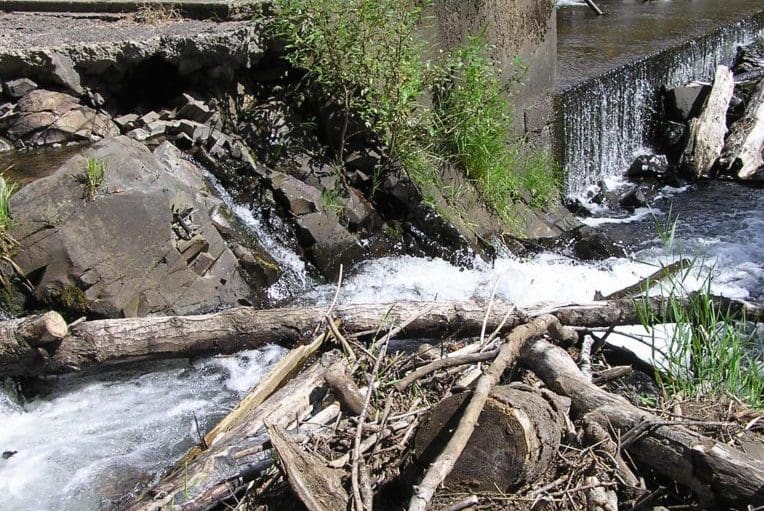
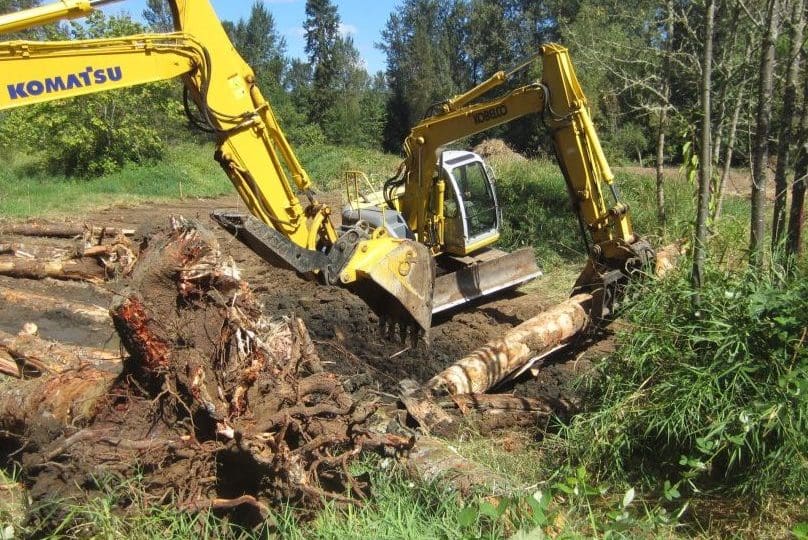
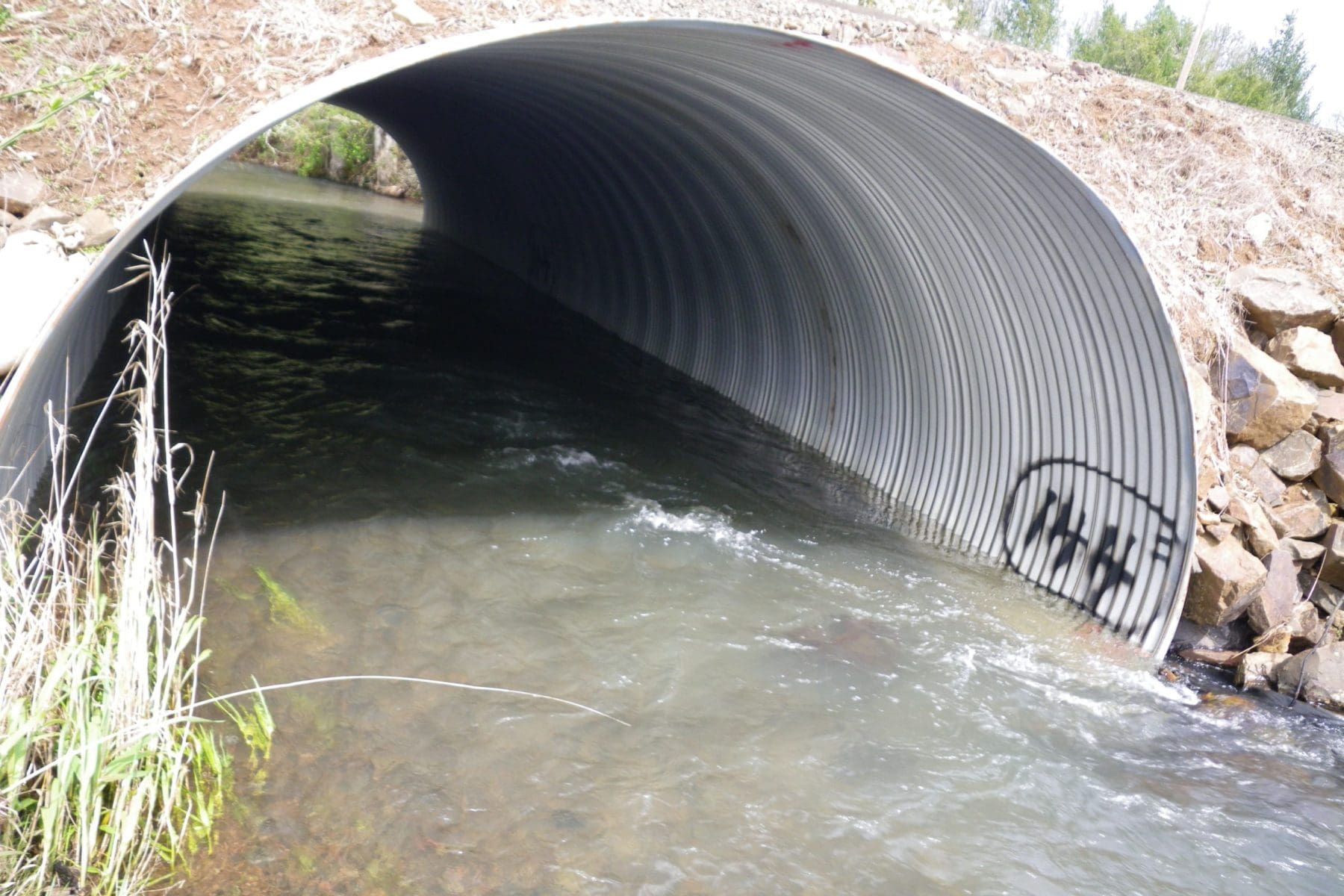
Habitat Restoration includes riparian restoration, fish passage improvement, in-stream habitat restoration, oak savanna restoration, wetland and wetland prairie restoration, and invasive species removal.
Habitat restoration is implemented by conducting comprehensive watershed assessments to identify and prioritize specific restoration and conservation strategies for a holistic watershed planning approach.
These assessments provide clear direction based on scientific method. The council utilizes agencies’ input on fisheries, wildlife, and water resources, as well as GIS data layers gathered from the state and federal government, Linn County, or created in-house using ArcMap, to produce project site prioritization maps identifying target areas and tax lots for strategic landowner partnerships.
Youth Education Programs
We work with teachers and administrators in local schools to conduct youth watershed education programs at the elementary and high school levels.
The Urban Ecology program facilitates field trips to urban, suburban, and rural conservation sites where students engage in stewardship actions, data collection, and watershed management dynamics exercises to gain better understanding of how human development affects our natural resources.
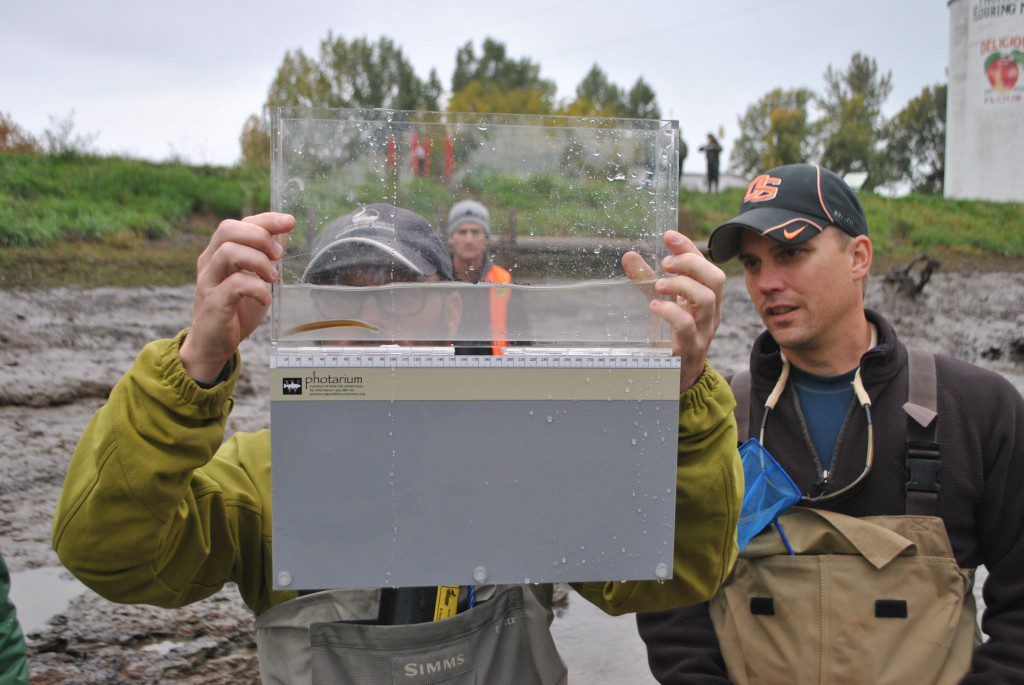
In collaboration with area middle & high schools, and community groups, CWC offers no-cost Freshwater Snorkeling sessions at the end of Spring, through the Summer into early Fall. Students are transported to river locations on the Calapooia or South Santiam Rivers and provided with all the equipment needed to explore the river in a whole new way. Students are introduced to the “we all live upriver” concept with the hope that it may foster ownership and responsibility to sustain the health of our watersheds.
Students from Linn and Benton Counties also have the opportunity to participate in free fall field trips known as Salmon Watch. Salmon Watch engages elementary and middle school students in hands-on learning stations covering macroinvertebrates, riparian zones, water quality, and salmon life cycles.
Our Youth Education Program serves over 1500 students annually
The Council firmly believes that fostering watershed education in tomorrow’s leaders is essential in creating a community that values and stewards our natural resources.
The Calapooia Watershed Council was formed in February 1999, stemming from community discussions about the economic, fish and wildlife, and recreational uses of the Calapooia River. This grassroots initiative aimed to foster a deeper understanding of the watershed and its various uses.
The Council’s mission is to promote and sustain the health of both the Calapooia Watershed and its surrounding communities. On November 17, 2008, the Calapooia Watershed Council officially incorporated in Oregon as a public benefit nonprofit corporation.
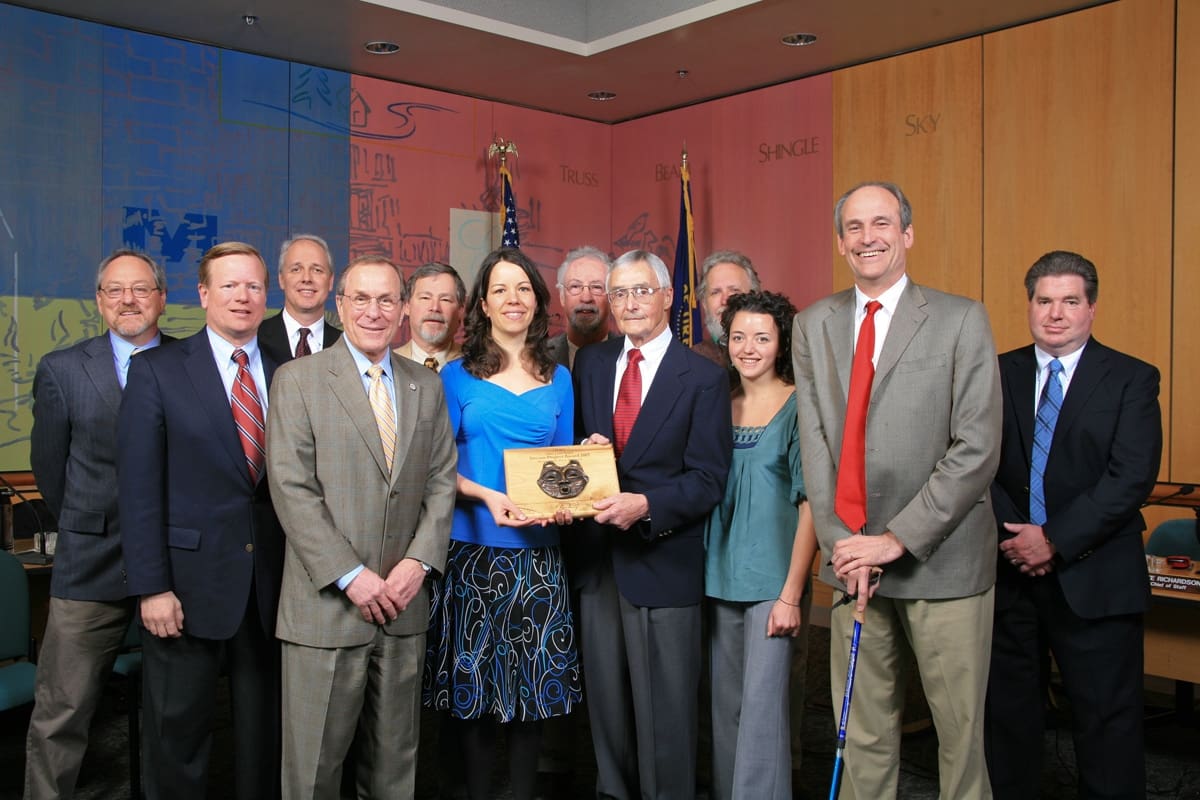


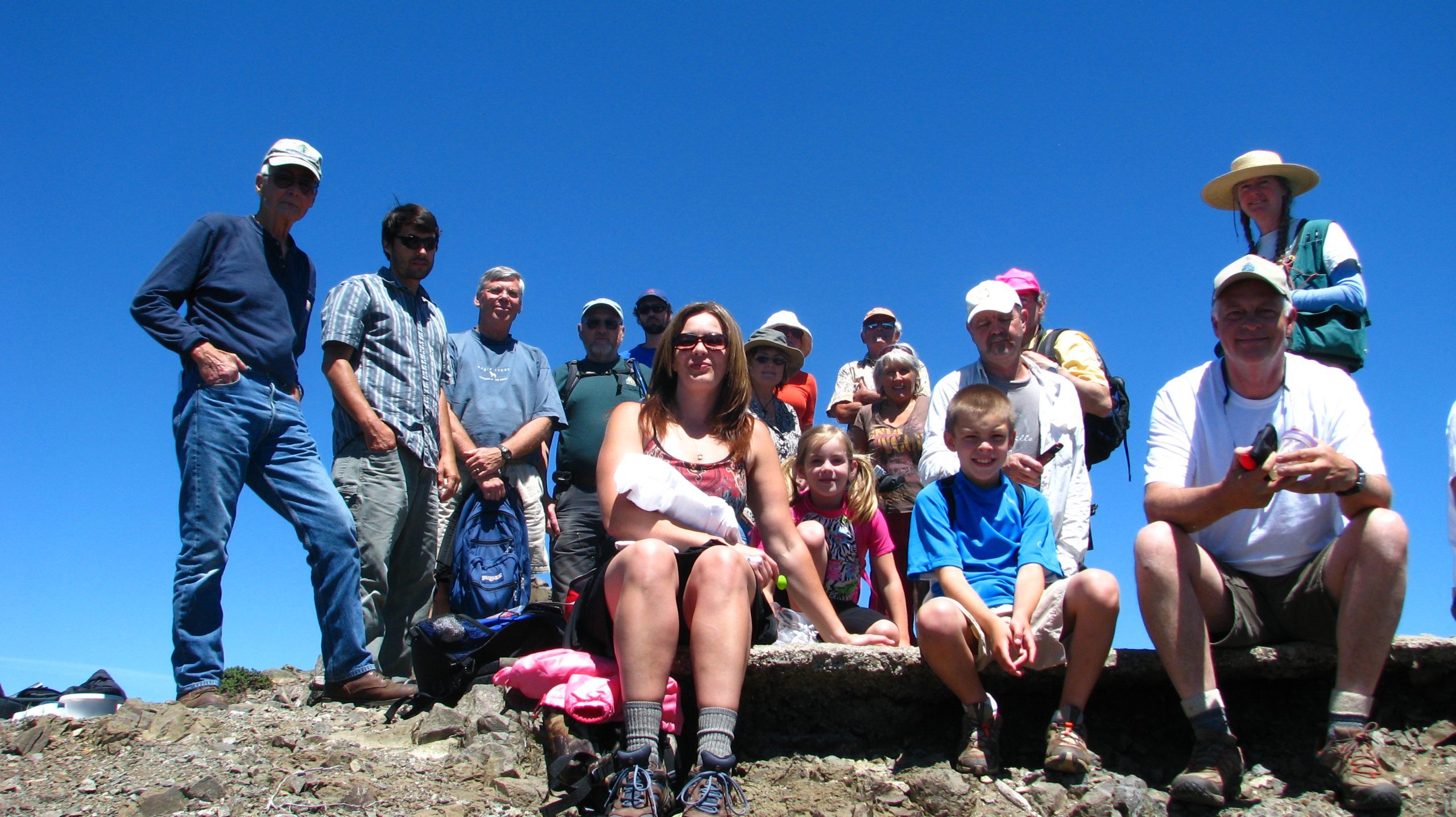
The formation of the Calapooia Watershed Council, like many others across Oregon, was a direct response to Governor Kitzhaber’s “Oregon Plan.” This comprehensive statewide effort, formally known as the Oregon Plan for Salmon and Watersheds, was initiated in 1997.
The Oregon Plan, which included the Governor’s Coastal Salmon Restoration Initiative and was supported by legislation like House Bill 3441 (from the 1995 Regular Session of the Oregon Legislative Assembly), aimed to address critical environmental issues in the state. Its primary goals were to:
Restore threatened & endangered Pacific Northwest salmon populations:
Salmon are culturally, economically, and environmentally significant to Oregon, and their declining numbers spurred a concerted effort for their recovery.
Improve water quality:
Many of Oregon’s waterways did not meet federal clean water standards.

Strengthen ecosystems:
The plan recognized the vital link between healthy watersheds and sustainable communities.
A key component of the Oregon Plan was the emphasis on voluntary, local action and the establishment of watershed councils. These councils, like the Calapooia Watershed Council, were designed to bring together local residents, landowners, businesses, and government agencies to collaboratively assess watershed conditions, develop action plans, and implement restoration projects. This approach allowed for solutions tailored to the specific needs and characteristics of each watershed, fostering a sense of local ownership and commitment to environmental stewardship.
Participation in Calapooia Watershed Council is open to the public and a balanced representation is sought for the Watershed Council of all stakeholder groups.