



A Vital Oregon Waterway
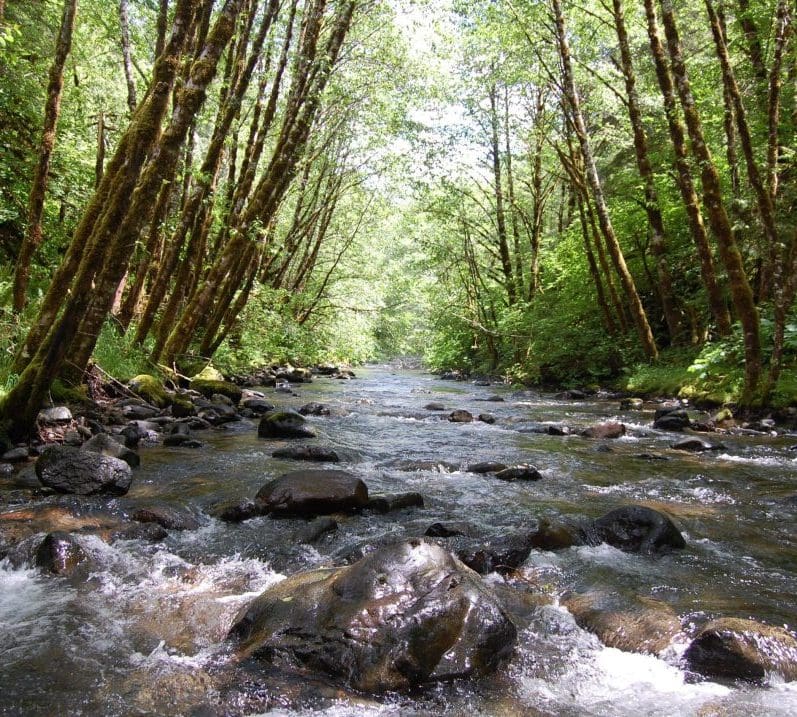
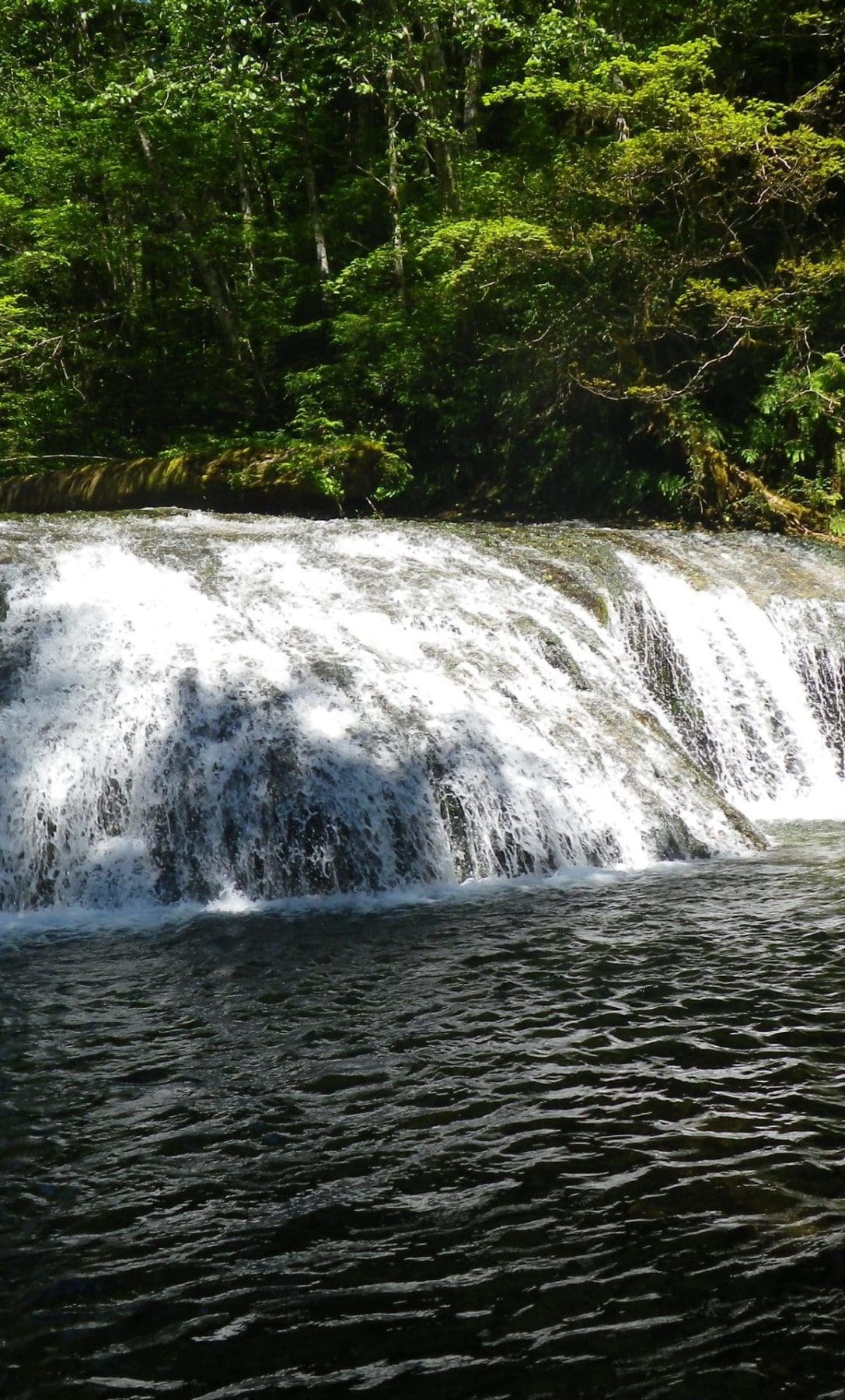
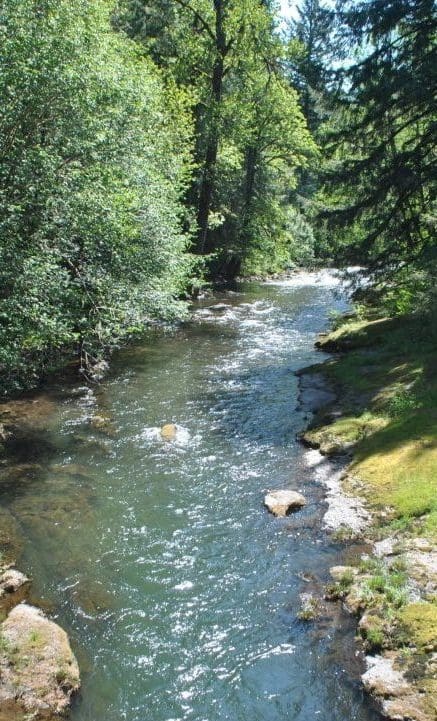
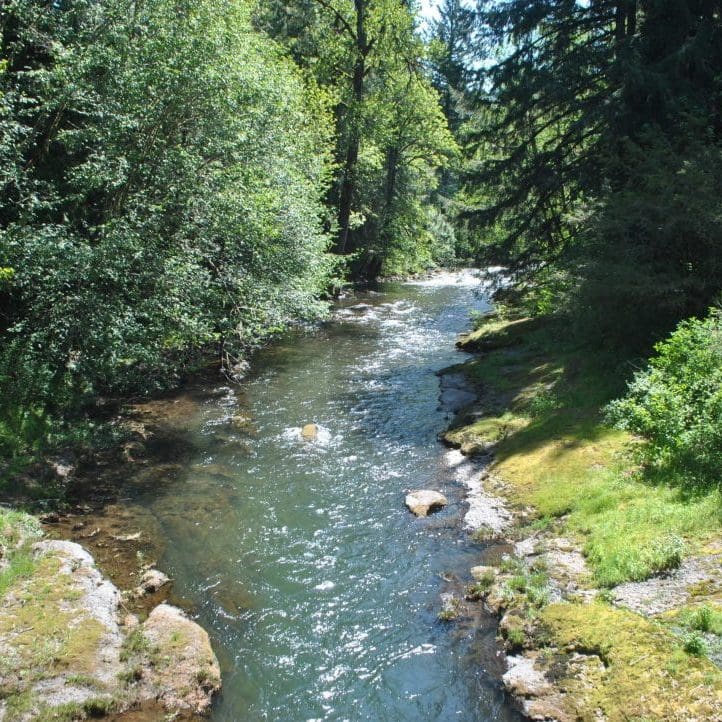
The Calapooia River, is an 81-mile tributary of the Willamette River in Linn County, Oregon. This dynamic waterway provides essential habitat for two species listed as “threatened” under the federal Endangered Species Act: winter steelhead and spring Chinook salmon.
Notably, the Calapooia watershed represents the uppermost distribution of steelhead in the entire Willamette system. A significant aspect of this population is its native status; the steelhead in the Calapooia have never been supplemented or augmented with hatchery stock.
The Calapooia River also retains some of the best remaining riparian forests within the Willamette Valley, which are crucial for maintaining water quality, providing wildlife habitat, and supporting the river’s overall ecological health.
The best riparian zones along the river are found just east of Interstate 5, near Tangent. Backwater sloughs and native stands of Sitka & Pacific willow are also found throughout the basin. Courtney Creek sub-basin contains mudflats that are the largest vernal pool communities remaining in the Valley. Many shorebirds also use the saturated soils, ponds, and low vegetation cover for winter habitat.
Monitoring and Challenges: Steelhead and Chinook in the Calapooia
The health of the Calapooia River’s fish populations is actively monitored by both state agencies and local organizations. The Oregon Department of Fish and Wildlife (ODFW) conducts annual redd surveys to assess the steelhead population, while the Calapooia Watershed Council (CWC) performs bi-annual redd surveys specifically in the upper Calapooia River to contribute to this understanding.
While both winter steelhead and spring Chinook salmon are native to the Calapooia basin, their current statuses diverge significantly. The steelhead population is a remarkable example of natural resilience, having never been supplemented with hatchery stock.
In contrast, the spring Chinook salmon population has faced severe historical challenges. Their spawning habitat was extensively degraded between the 1940s and 1970s due to widespread erosion and land movements resulting from timber harvesting. By the 1970s, natural production of spring Chinook in the Calapooia was thought to be minimal or even non-existent. Consequently, today’s spring Chinook population in the Calapooia is derived from hatchery stock, highlighting the lasting impact of past land use practices and the ongoing need for restoration efforts.
Resilience and Restoration in the Calapooia Watershed
Despite significant habitat loss within the Calapooia Watershed, many natural features that historically supported abundant fish and wildlife populations fortunately remain intact.
Beyond the impacts of timber harvesting in the upper watershed, the lower watershed has been extensively drained and utilized for grass seed farming. The good news is that many of the natural processes altered by human activities over the years are reversible, offering a strong foundation for ongoing restoration efforts.
Calapooia River History
“The Kalapuyans originally occupied over a million acres in the Willamette and the Umpqua valleys. They have lived here for over 14,000 years and have endured enormous changes to their traditional life-ways during the past 200 years.”
Dr. David G. Lewis, Anthropologist and Tribal member of The Confederated Tribes of Grande Ronde
The Calapooia Watershed Council (CWC) acknowledges that we work on the traditional homeland of the Kalapuya people. There are over fifty different ways of spelling Kalapuya, including “Calapooia” and “Call-law-puh-yea.”
Our council is based in Brownsville, Oregon, a place rich in history as the traditional territory of the Tsankupi (“Calapooia River”) band of the Kalapuya. Following the Kalapuya Treaty (Treaty of Dayton) in 1855, the Kalapuya people were forcibly removed to what are now the Grand Ronde and Siletz reservations. Today, their descendants are vital members of the Confederated Tribes of the Grand Ronde Community of Oregon and the Confederated Tribes of Siletz Indians. We honor their enduring connection to this land.
Kalapuya Story Told by Esther Stutzman: Hear the story of the beginnings of the Kalapuya people told by Kalapuya-Coos Elder, Esther Stutzman.
Read: K alapuya: Native Americans of the Willamette Valle y, Oregon by Don Macnaughtan. Edited and Reviewed by Dr. David G. Lewis