

Background
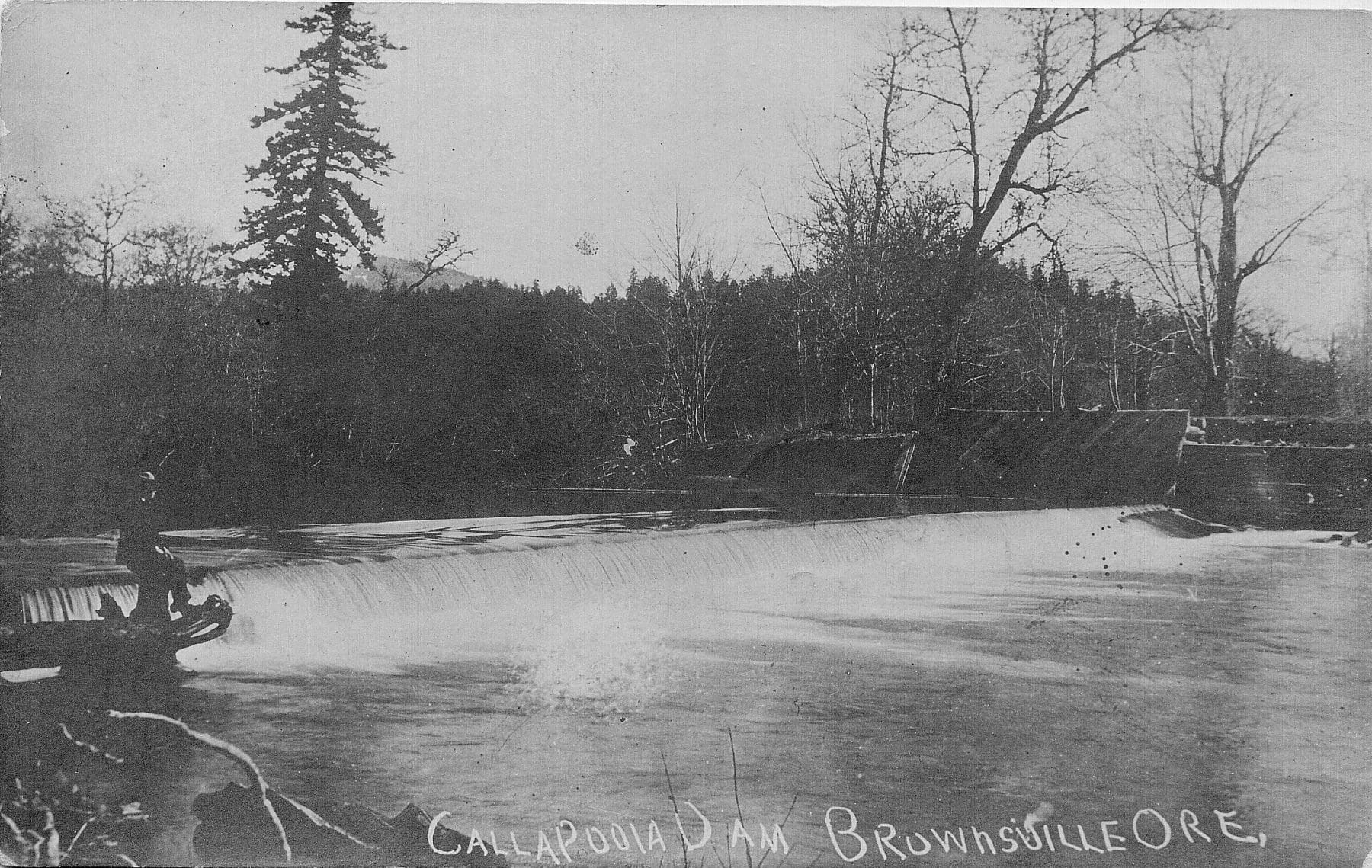
After years of public discussion, the Brownsville community stakeholders made the unanimous decision on January 11, 2006 to support removal of the Brownsville Dam with the caveat that water be maintained in the small, historic canal that runs through the City of Brownsville (2.5 cfs).
The dam provided no commerce, flood control, or community water supply. The dam’s sole purpose was to divert water into the three-mile long Brownsville Canal. After Sodom Dam, the last major fish passage barrier 8 miles downstream was removed, the Calapooia River once again became a free flowing river with complete access to over 60 miles of mainstem habitat and several tributary streams was restored.
Implementation
Project Partners
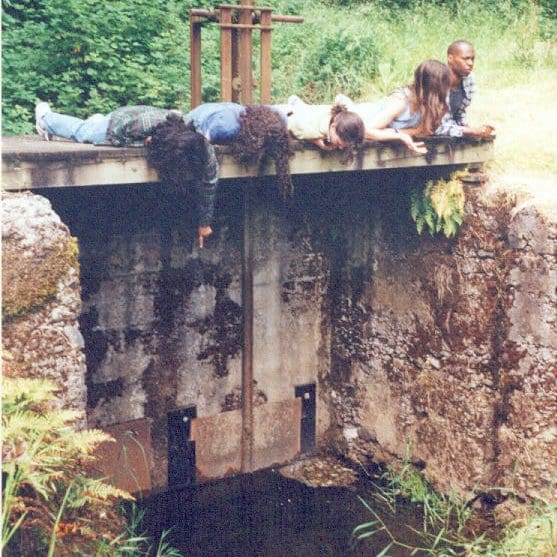
Project partners include the City of Brownsville, Brownsville Canal Company (private landowners), Linn County Parks and Roads Department, Bella Vista Foundation, Oregon Watershed Enhancement Board, Oregon Department of Fish and Wildlife, Oregon Water Resources Department, National Oceanic and Atmospheric Administration, U.S. Forest Service and the Bureau of Land Management and Cascade Pacific RC&D, as well as project consultants Cascade Earth Sciences in Albany, OR.
Outcomes
The successful dam removal, completed in September 2007, significantly improved access to the mainstem and tributary headwaters habitat on the Calapooia to winter steelhead and spring Chinook, both listed as threatened under the federal Endangered Species Act, and to cutthroat trout and Pacifc lamprey.
In November 2008 the Council completed the installation of a pump system at the former dam site to deliver water to the City of Brownsville and Canal Company members.
Stream Project Award
In April 2008, the State Land Board recognized the Calapooia Watershed Council and its many partners for the Brownsville Dam Removal in an awards ceremony honoring exemplary projects that promote responsible stewardship of Oregon’s
natural resources.
In presenting the Stream Project Award, Governor Ted Kulongoski, chair of the Land Board, commended the Council for developing a broad partnership to “Protect Oregon’s natural resources for future generations.” This project exemplifies the spirit of cooperation that is so important for a successful outcome.”