

background

Lorem ipsum
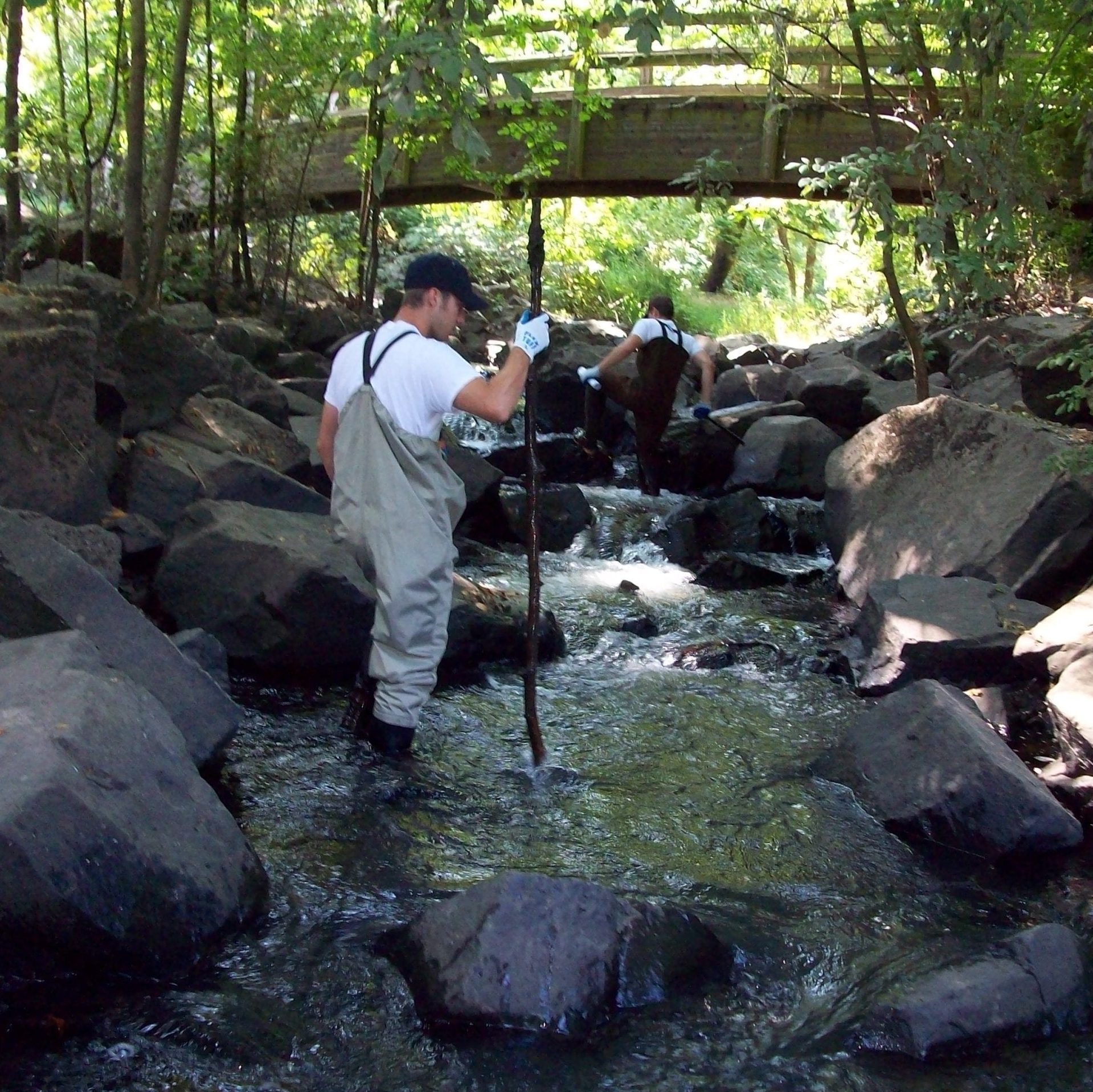
With its headwaters in the foothills east of Albany, Periwinkle Creek flows westerly through the City until its confluence with the Willamette River, where there is high quality habitat & rearing potential for native fish species.

Lorem ipsum
Periwinkle Creek is a historically important waterbody for local biodiversity with Salmon & Beaver, as well as abundant native bird & insect pollinator populations.
Lorem ipsum
The Periwinkle Creek Watershed has seen a history of ecological degradation due to agricultural & urban development which have reduced wildlife populations.
Periwinkle Creek has seen the increasing urbanization of its floodplain areas in recent history. This means that instead of water spreading out over the floodplain, more water is keep in the main channel where it accumulates in volume and velocity which help to carve pockets of erosion, both within the Creek and on its banks, removing habitat and leading to poor water quality.
Periwinkle Creek receives more stormwater runoff than any other waterbody in the City of Albany, which can carry pollutants through the entire channel and into the Willamette River.
objective
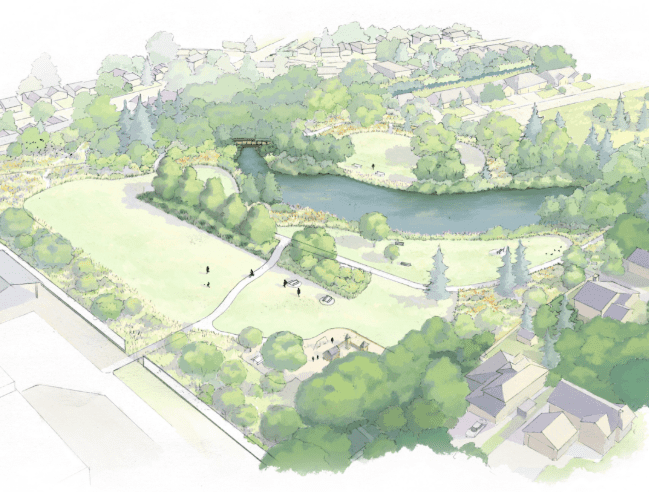
Enhancements made throughout the channel can both reduce pollutants, enhance native habitat, and provide natural spaces for the community to enjoy.
Riparian Restoration
Riparian habitat restoration has the potential to restore this rich ecology through a multi-faceted approach including diverse native planting, natural soil bank stabilization for erosion control, water capture and filtration and stream shade to lower water temperatures.
Youth Education
Besides enhancing the biodiversity, scenic & natural beauty of the area, Periwinkle is a learning lab & opportunity to connect with nature for many students in our Youth Education Programs
Awareness
Additionally, an abundance of City parks along Periwinkle Creek offer valuable opportunities for effective public outreach & education about habitat & water quality improvement initiatives.
implementation
The CWC has also been partnering with the Albany community, especially South Albany HS, to enhance the native habitats around Periwinkle Creek since 2014.
Thousands of native plants have been installed at Periwinkle and Bowman Parks and we are moving into a larger scale restoration beginning 2025.
Since 2016, restoration activities have created a more functional and resilient riparian zone along Periwinkle Creek benefitting fish and wildlife, accomplished through a significant reduction of invasive species, increasing structural diversity, reintroducing native riparian plant species, & buffering future stream temperatures (via shading). South Albany High School students spent many hours monitoring conditions and planting native species along the creek.
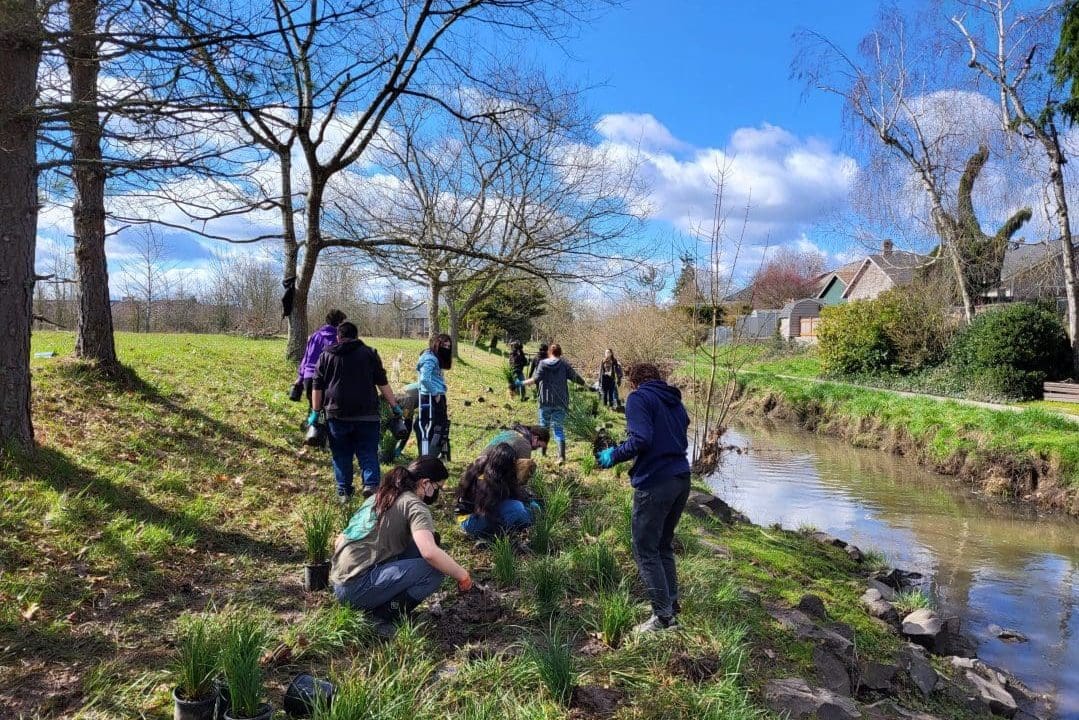
The next phase of restoration builds upon our existing investments along Periwinkle Creek, & 4,750 native plants installed along a total length of 2,800 feet. We have been thrilled by the survival of these plants, which has far exceeded our expectations.
We are actively managing the area, and major planting is planned for installation Winter 2025.